




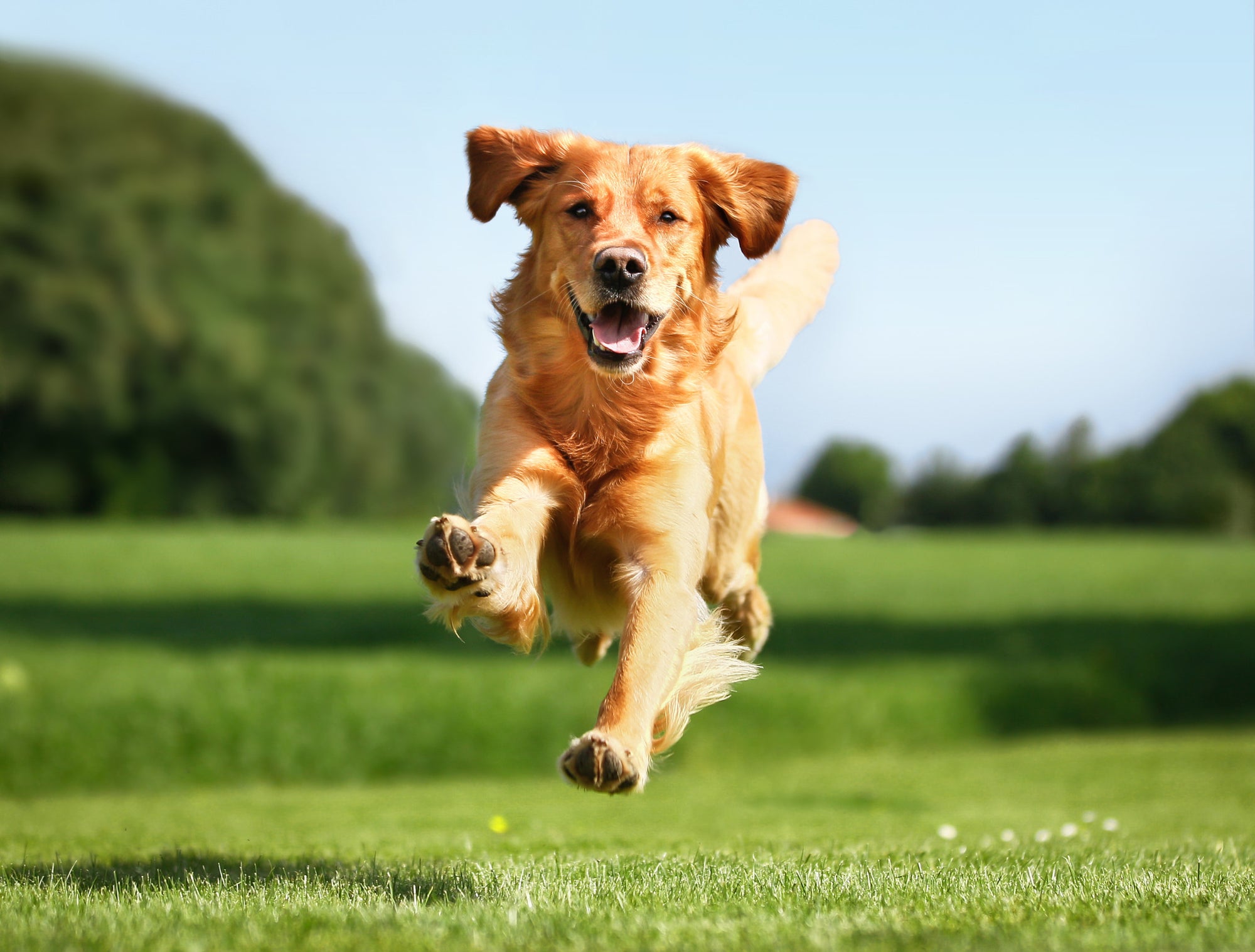
Whether for a small, medium, or large dog, stubborn or not, yes, invisible dog fences work really well! The success rate is around 99% when the system is properly chosen and correctly installed.
These systems have been used for decades in North America and represent one of the most popular solutions for securing a dog at home, especially when a traditional fence is not feasible (cost, aesthetics, municipal bylaws, uneven terrain, etc.).
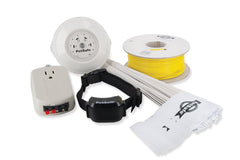
The principle is simple: a buried wire defines the authorized perimeter. When the dog approaches the boundary, the collar first emits a warning beep. If they continue regardless, they receive a mild, harmless electrostatic stimulation that encourages them to back away. After a few days of training, the vast majority of dogs respect the zone without even needing the stimulation signal.
But here are 3 reasons why a containment system might not work properly.
1. Low-end invisible barrier
Low-end containment fences priced at $100 or less may seem like a good deal, but it's only an illusion.
These systems are sold with wire of questionable quality—a tiny cable that is likely to break once a year, if not more. A wire break, even a minimal one, renders the entire system inactive without you realizing it. As a result, your dog can escape without any warning.
In addition to almost guaranteed wire breaks, these systems are often very inaccurate: they trigger randomly across the yard, which confuses the dog and makes training much more difficult.
A good system, like those from the PetSafe brand, uses a heavy-duty wire designed to last for years and offers a precise, adjustable warning zone. The extra investment is well worth it for peace of mind.
2. Poorly fitted containment collar
The containment collar must be very well-fitted, especially during the training period. This is one of the most common mistakes and yet one of the easiest to avoid.
To do this, the contact points must touch your dog's skin directly. Tighten the collar so that only one finger can fit through. If it is too loose, the contact points will not touch the skin and the dog will not receive any signal, making them unresponsive to the boundary limits.
If your dog has long hair, use the long contact points included in the kit. You can also lightly trim the hair in that area—do not shave it, just remove a small amount of thickness to ensure good contact.
Also remember to check the fit regularly, especially for young dogs who are growing fast or after grooming.
A very handy function on the PetSafe Yardmax
3. No training has been done
A two-week training period is necessary, but it only requires a few minutes per day. This is a step that many owners tend to skip or cut short, and that is often where problems begin.
These few daily minutes help your dog visually and mentally understand the boundary not to cross. Small flags provided with the kit are used to mark the perimeter. The dog first learns to associate the beep with the boundary, even before receiving a stimulation.
In most cases, dogs receive the stimulation signal once or twice, then spend the rest of the season staying well within the boundaries, without even going past the audible warning. Dogs learn very quickly; it is often surprising to see how fast they adapt.
The steps to follow are detailed in the user guide provided with each containment system. Some brands also offer online training videos to facilitate the process.
Can all dogs use an invisible fence?
The vast majority of dogs adapt very well to this type of system. That said, it is not recommended for use with highly anxious dogs or those with aggression issues, as the stimulation can sometimes worsen these behaviors. If in doubt, consult a dog trainer before starting.
For puppies, it is recommended to wait until they are at least 6 months old before using the system. Their brains are still developing, and training will be much more effective and less stressful once they have reached a certain level of maturity.
In conclusion
Choose a good system, ensure the collar is properly fitted, follow the short learning period, and your dog will be completely safe on your property. It is an effective, discreet, and affordable solution compared to a traditional fence.
If you need advice or have any other questions, you can reach our team. We will be happy to help you choose the system that best suits your dog and your property.



&color=rgba(218,%20101,%20118,%201))
&color=rgba(218,%20101,%20118,%201))
&color=rgba(218,%20101,%20118,%201))
&color=rgba(218,%20101,%20118,%201))
)
Michel roussil
May 25, 2019
Bonjour j.aimerais avoir votre avis consernant mon chien rottweiler male il est calme un peu soumi il a 7mois quel collier est le mieux pour mon animal le fil ou le sans file votre avis me serais tres utile.
Vous livrer a st jerome vous l avez en stock merci